Table Of Content

In short, this type of laser therapy appears safe and effective as a treatment for people who didn’t notice improvement with standard hair loss treatments. This is the name for hair loss caused by medications that harm your hair follicles. Radiation and chemotherapy treatments for cancer can be toxic to follicles, causing your hair to fall out within the first few weeks after you start treatment. Hair regrowth usually begins within a few months after you finish treatment. Regrowth continues for over a year, after which time it stabilizes.
Caregiving crisis
You should only take biotin, iron, or zinc when your blood test shows that you have a deficiency. If your levels are normal, taking a supplement can be harmful. For example, if you take too much iron, you can develop iron poisoning.
How to treat hair loss
TE is typically reversible and often resolves 6–8 months after your body readjusts or the trigger is gone. Minoxidil may irritate your scalp and cause dryness, scaling, itching and/or redness. Your shorter hairs — like eyelashes, arm and leg hair, and eyebrows —have a short anagen phase (about one month).
The Year America's Hair Fell Out - The Atlantic
The Year America's Hair Fell Out.
Posted: Fri, 12 Nov 2021 08:00:00 GMT [source]
When to see a doctor about hair loss
Androgenetic alopecia, or female pattern hair loss, is the most common cause of thinning hair in women worldwide, per the American Academy of Dermatology (AAD). Anyone can experience androgenetic alopecia, which is more commonly known as male pattern hair loss in men, and female pattern hair loss in women, according to MedlinePlus. If you notice increased hair loss, you’ll want to make an appointment with a dermatologist or other healthcare professional. They can help determine if you’re experiencing female pattern baldness or a different type of hair loss caused by other factors.
When to connect with a doctor
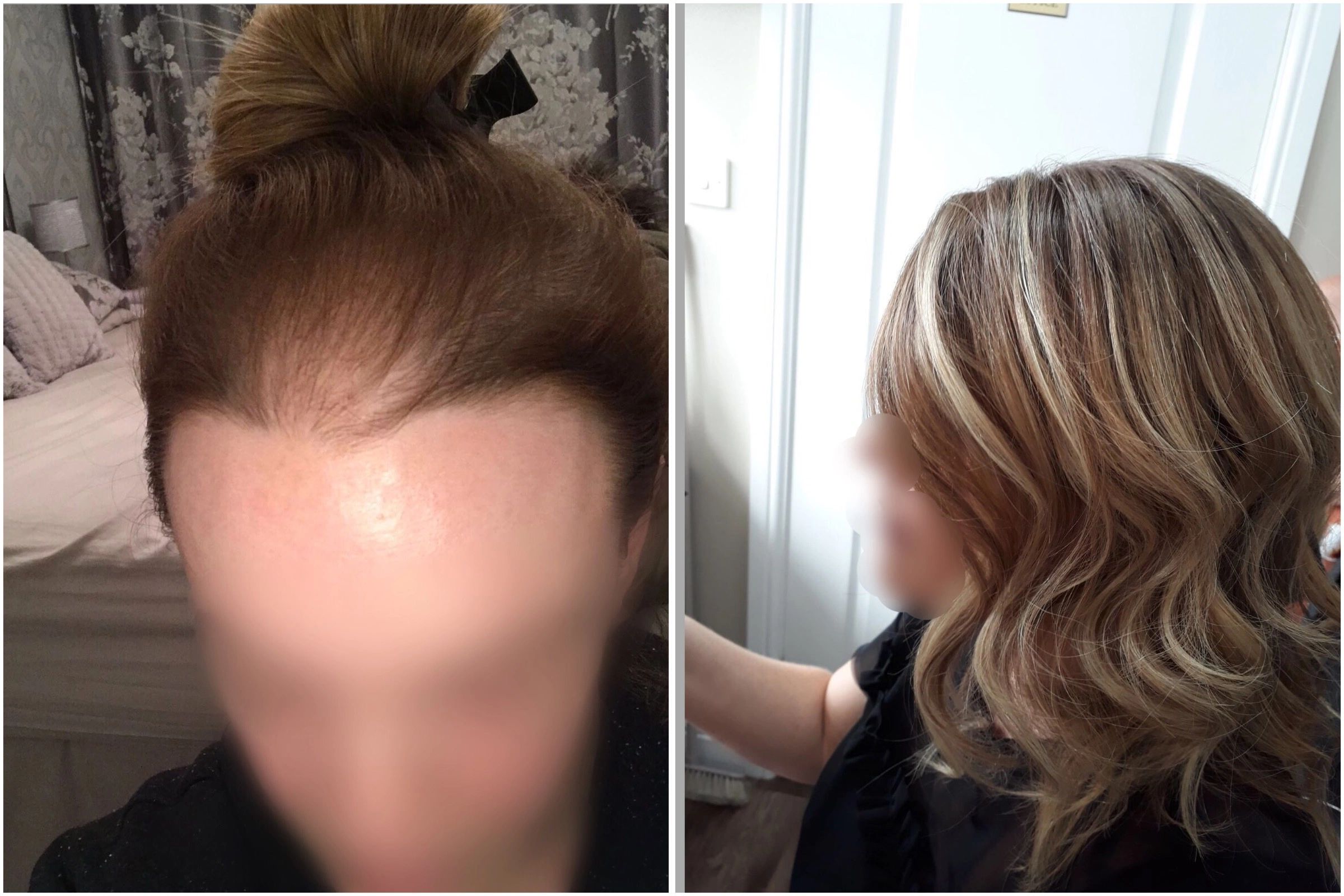
Some small, limited studies have found that certain supplements and shampoos could be helpful, dermatologists say. However, your best bet if you’re suffering from hair loss is to see a board-certified dermatologist who can determine what’s causing your alopecia and then recommend a treatment plan. The FDA has approved topical tretinoin cream and gel for skin care and supportive pro-aging purposes, but not for hair loss treatments. In some circumstances, tretinoin may cause hair loss, so it’s important to only try this medication with guidance from your doctor.
For instance, do you know the signs of hair loss in women? Can you tell the difference between hair loss that's temporary and hair loss that needs treatment? If your hair loss results from medication, hormonal imbalances, thyroid disease or diet, your provider will address the cause.
Advancing age and a family history of the condition are two of the primary risk factors. Treatment options for hair loss typically depend on the cause. They can also vary according to the pattern and location of hair loss. While most causes of hair loss are treatable, some may not be. Transplants may be successful for some people depending on the cause of the hair loss. But you’ll need enough hair to donate to the transplant, and you’ll need to wait several months for it to grow.
Other supplements meant to help with hair loss tend to contain a lot of one nutrient. Because this can cause you to get too much of the nutrient, many dermatologists recommend taking a multivitamin instead. It’s essential that you not become pregnant while taking spironolactone.
As with medical conditions, physical changes that stress the body, especially if they cause hormonal changes, can lead to excessive hair shedding. This usually happens a few months after the stressor occurs and stops when the body's hormone levels have readjusted. Platelet-rich plasma (PRP) is showing promise in the hair regrowth department, too. Effective treatments for some types of hair loss are available. You might be able to reverse hair loss, or at least slow it.
Hair Loss: Why It's Happening to Millennials - Healthline
Hair Loss: Why It's Happening to Millennials.
Posted: Fri, 28 Sep 2018 07:00:00 GMT [source]
Androgenetic alopecia, a type of hair loss commonly called male or female pattern baldness, was only partially understood until the last few decades. But while testosterone is at the core of the balding process, dihydrotestosterone (DHT) is now thought to be the main culprit. The type and severity of hair loss you experience may determine the outcome (prognosis). Some types of hair loss are permanent, especially if you have damage to your hair follicles. For example, anagen and telogen shedding may stop with time.
It may be harmful to your unborn baby and can pass through breast milk to a nursing infant. For this test, they gently pull on a chunk of your hair to see how many strands come out. You'll soon start receiving the latest Mayo Clinic health information you requested in your inbox.


No comments:
Post a Comment